
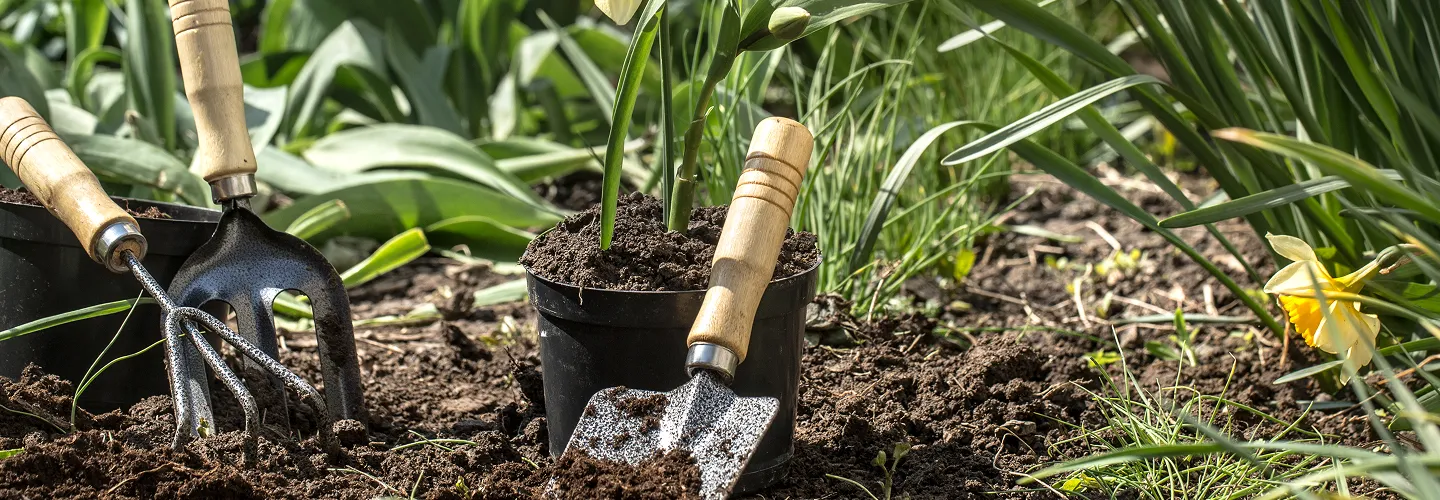
Schertz Flower Planting Services
Choose our flower planting services for vibrant, expertly arranged blooms that thrive in Schertz’s unique climate—bringing lasting beauty and curb appeal to your home or business.
Get a Free QuoteOur Schertz Landscaping & Yard Care Services
When to Schedule Flower Planting in Schertz, Texas – Seasonal Guide
Flower planting in Schertz, Texas, is best scheduled with careful attention to our region’s unique climate and landscape. The optimal planting windows typically fall in early spring (late February to early April) and again in early fall (late September to October), when temperatures are moderate and the risk of frost is minimal. Schertz’s proximity to the Cibolo Creek and neighborhoods like Belmont Park and Jonas Woods means microclimates can vary, so it’s important to consider your specific location.
Local environmental factors such as late spring frosts, summer drought risk, and periods of high humidity all play a role in determining the best time for planting. Soil in Schertz often ranges from sandy loam to heavier clay, impacting drainage and root development. Areas with dense shade, such as those near Pickrell Park, may require different timing and flower varieties than sunnier, open yards. For more detailed local planting guidelines, consult resources like the Sudbury town website.
Local Factors to Consider for Flower Planting in Schertz
- Average last frost date (typically mid-March)
- Summer drought risk and irrigation availability
- Soil type (sandy, loamy, or clay)
- Shade coverage from mature trees or nearby structures
- Terrain and drainage patterns
- Precipitation trends and seasonal rainfall
- Municipal restrictions or water use guidelines
Benefits of Flower Planting in Schertz
Expert Local Knowledge
Customized Landscape Designs
Seasonal Plant Selection
Enhanced Curb Appeal
Eco-Friendly Practices
Reliable Maintenance Services
Schertz Flower Planting Types

Annual Flower Beds
-
Perennial Gardens
-
Native Wildflower Plantings
-
Seasonal Color Displays
-
Pollinator-Friendly Gardens
-
Shade-Loving Flower Beds
-
Drought-Tolerant Plantings
Our Flower Planting Process
Site Evaluation
Soil Preparation
Plant Selection
Careful Planting
Watering and Mulching
Why Choose Schertz Landscape Services
-
Schertz Homeowners Trust Us
-
Expert Lawn Maintenance
-
Reliable Scheduling
-
Competitive Pricing
-
Professional Team
-
Satisfaction Guarantee
-
Personalized Service
Soil Series and Drainage Considerations for Flower Planting in Schertz
Schertz’s predominant soils, including Houston Black clay and Lewisville silty clay loam, present unique challenges for flower planting due to their high clay content and moderate to poor drainage. Soil pH typically ranges from 7.5 to 8.2, which can limit nutrient availability for many ornamental species. Before planting, it is recommended to conduct a soil test through Texas A&M AgriLife Extension (typical cost: $15-25) to determine amendment needs. Best practices include:
- Incorporating 2-3 inches of compost tilled to a 6-inch depth
- Applying sulfur to lower pH if above 7.5
- Avoiding planting in areas with standing water after rainfall
- Selecting species tolerant of heavy clay and alkaline conditions For detailed soil mapping, consult the USDA Web Soil Survey. Coordination with municipal infrastructure is advised when amending soils near public rights-of-way.
Schertz Public Works Department
1400 Schertz Parkway, Schertz, TX 78154
Phone: (210) 619-1800
Official Website: Schertz Public Works Department
Seasonal Timing and Climate Zone Guidance for Schertz Flower Planting
Schertz is located in USDA Hardiness Zone 8b, with average annual minimum temperatures of 15-20°F. Optimal flower planting windows are:
- Spring: March 1 – April 15 (soil temperature 55-65°F)
- Fall: September 15 – October 31 (before first frost) Avoid planting during peak summer (June-August) due to high heat and drought stress. Monitor local weather forecasts through the National Weather Service Austin/San Antonio Office for frost advisories and rainfall patterns. For irrigation planning, note that city water restrictions may apply during drought periods. Mulching flower beds with 2-3 inches of organic material helps conserve soil moisture and moderate temperature fluctuations. For additional climate adaptation strategies, refer to USDA Plant Hardiness Zone Map.
Native and Recommended Flower Species for Schertz’s Urban Landscapes
Selecting species adapted to Schertz’s climate and soils is essential for sustainable flower planting. Recommended options include:
- Full sun: Black-eyed Susan (Rudbeckia hirta), purple coneflower (Echinacea purpurea), autumn sage (Salvia greggii)
- Partial shade: Turk’s cap (Malvaviscus arboreus), columbine (Aquilegia canadensis)
- Deer resistant: Russian sage (Perovskia atriplicifolia), lantana (Lantana camara)
- Native options: Winecup (Callirhoe involucrata), mealy blue sage (Salvia farinacea) Spacing should be 12-18 inches for annuals and 18-24 inches for perennials to ensure proper air circulation. For guidance on plant selection and pest management, consult Texas A&M AgriLife Extension. Avoid invasive species as listed by the Texas Department of Agriculture.
Municipal Coordination and Flower Bed Installation Standards in Schertz
All flower bed installations in Schertz must comply with local ordinances regarding property setbacks, right-of-way encroachments, and visibility triangles at intersections. Key requirements include:
- Maintain a 25-foot setback from street corners for visibility
- Do not obstruct sidewalks or public utilities
- Use biodegradable mulch; plastic sheeting is prohibited in public-facing beds
- Equipment operation hours:
- Monday-Friday: 7:00 AM - 7:00 PM
- Saturday: 8:00 AM - 6:00 PM
- Sunday and holidays: Prohibited Permit review for large-scale or commercial installations is administered by the Building Permits Division, with typical review times of 5-10 business days and fees ranging from $25-$75 depending on project scope.
Schertz Building Permits Division
1400 Schertz Parkway, Schertz, TX 78154
Phone: (210) 619-1750
Official Website: Schertz Building Permits Division
Environmental Compliance: Stormwater, Buffer Zones, and State Regulations
Flower planting activities in Schertz must adhere to stormwater management requirements under the Clean Water Act and the Texas Water Code. The city’s MS4 permit prohibits soil, mulch, or plant debris from entering storm drains. Maintain a 25-foot no-disturbance buffer from wetlands and a 50-foot setback from perennial streams. Fertilizer and pesticide applications are restricted within 50 feet of water bodies. For environmental compliance, follow these steps:
- Use only slow-release fertilizers at rates not exceeding 2 lbs nitrogen/1,000 sq ft annually
- Avoid application before heavy rain events
- Dispose of plant debris through municipal yard waste collection (Thursdays, April-November) For further guidance, contact the Environmental Health Division.
Schertz Environmental Health Division
1400 Schertz Parkway, Schertz, TX 78154
Phone: (210) 619-1650
Official Website: Schertz Environmental Health Division
Texas Commission on Environmental Quality
12100 Park 35 Circle, Austin, TX 78753
Phone: (512) 239-1000
Official Website: Texas Commission on Environmental Quality
What Neighborhoods Do We Serve Throughout Schertz, TX?
- Woodland Oaks: Features mature tree canopy and heavy clay soils, requiring soil amendment and careful plant selection for drainage.
- Belmont Park: Newer development with compacted fill soils and moderate drainage; HOA guidelines may affect flower bed design and species choice.
- Green Valley: Proximity to Cibolo Creek and floodplain areas necessitates compliance with buffer zone regulations and flood-tolerant plantings.
- The Crossvine: Planned community with strict landscaping standards and irrigation system requirements; native and drought-tolerant species are preferred.
- Scenic Hills: Sloped lots and shallow soils increase runoff risk, making erosion control and mulching essential for flower beds.
- Jonas Woods: Dense residential layout with limited yard space; container gardening and raised beds are common solutions for flower planting.
- Riata: Larger lots with mixed sun and shade exposure; deer pressure is higher, so deer-resistant species are recommended.